












By now, everyone has heard of artificial intelligence. It’s the hot buzzword headlining articles, finding its way into new school curricula, and becoming a part of how students will forever see the world.
But is its rapid ability to generate words and images worth the consequences?
ChatGPT was released by OpenAI several years ago and reached 100 million users not long after. Since then, it has been estimated that ChatGPT and similar AI models consume hundreds of billions of liters of water annually.
Why do they need this much water, exactly? Data centers rely on cooling systems—often referred to as “swamp” coolers—to lower the temperature of intensely hot GPU chips, with roughly 80% of that water evaporating. Microsoft, which owns and operates Copilot, reported a 34% increase in global water consumption between 2021 and 2022, rising to 6.4 million cubic meters. A simple 100-word prompt to ChatGPT can use around 519 milliliters of water—about the size of a standard bottle. Altogether, data centers use millions of gallons per day, comparable to the water usage of a town of 10,000 to 50,000 people.
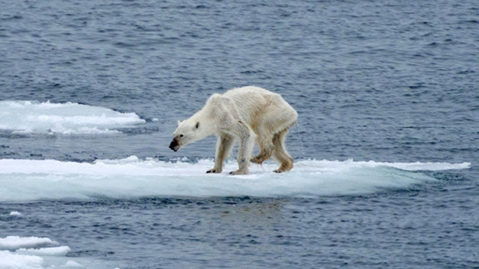
All of this water use can impact key biodiversity areas, increasing the risk of habitat loss and species decline. In recent years, several species—including freshwater mussels, emperor penguins (now officially endangered), and Antarctic fur seals—have seen worsening conditions.
A major factor behind this is climate change, including the melting of ice caps, which reduces habitats. This leads to serious consequences: penguin chicks struggling to survive, warming oceans disrupting food supplies, and broader damage to aquatic ecosystems. AI’s massive energy demands contribute to rising global temperatures, which can accelerate these environmental changes.
So at the end of the day, the choice is yours. Will you rely on AI to generate a quick essay, or take the time to write it yourself—learning the process, working through the challenges, and playing a small role in protecting the world around you?